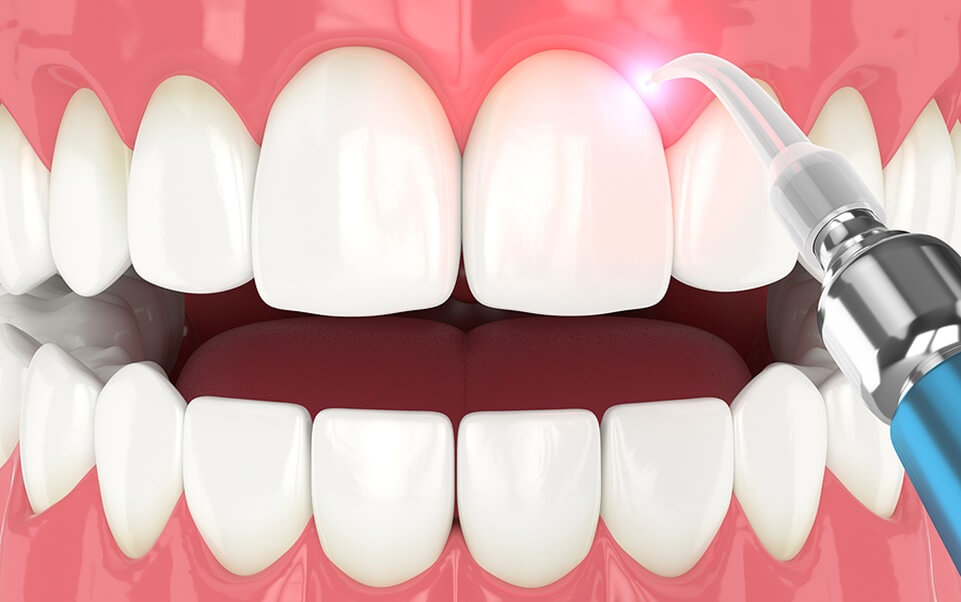
Periodontal laser therapy TWINLIGHT
February 27, 2023
Exosomes
March 28, 2023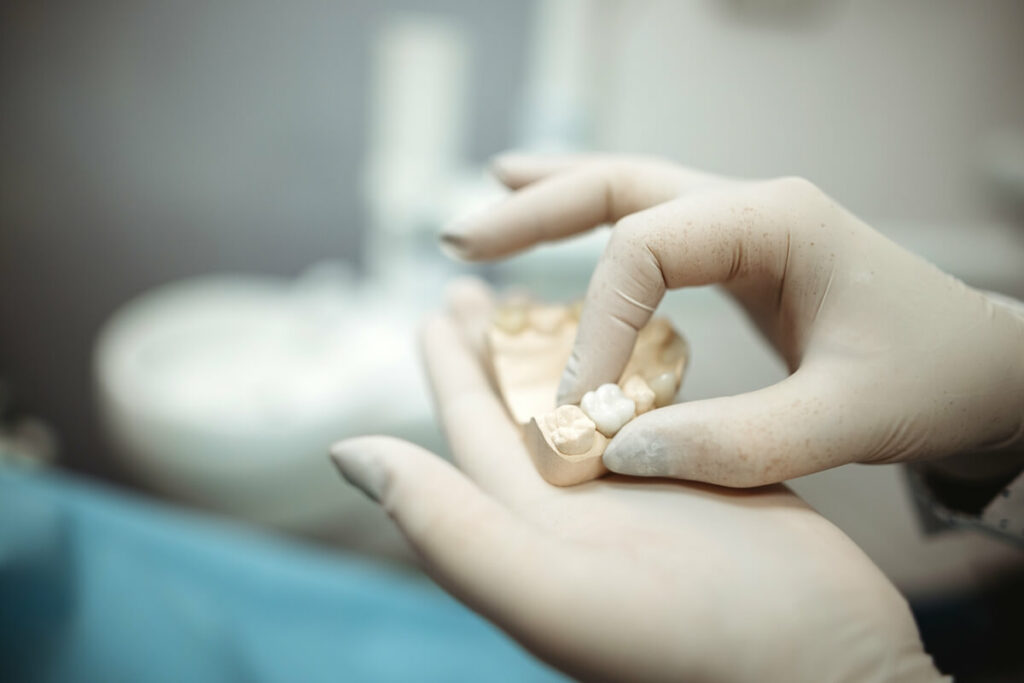
All about Dental Crowns
What are dental crowns?
Dental crowns, also referred to as “dental caps”, are dental restorations designed to cover a tooth that has been damaged or is in need of cosmetic repair. They may be used for a variety of purposes, such as restoring a tooth’s shape and size, strengthening a weak tooth, improving its appearance or even to hold a dental bridge in place.
In addition, dental crowns are also used to protect a tooth from further damage or decay, improve its appearance and correct misalignments and even to cover dental implants.
How do dental crowns work?
Dental crowns are cemented over the tooth and have a functional and cosmetic purpose. The base of the crown is thin and fits over the tooth, while the top is thicker. Crowns are used to close gaps, protect the underlying tooth structure from further damage and deterioration and to make your smile look more uniform, improving the aesthetic appeal of your teeth.
When do I need crowns?
Dental crowns are recommended for anyone who has broken or damaged teeth. They are also helpful in maintaining a dental bridge in place and are perfect for covering teeth with flaws in color or shape.
Are you considering getting crowns? If you are, here are some of the most common reasons a crown might be needed:
- Protecting & restoring broken teeth
- Securing a dental bridge in position
- Covering a tooth that is stained
- Covering dental implants
- Restoring a filling
- Protecting the tooth & root structure after root canal therapy
- Closing gaps in teeth
What’s the difference between dental crowns and bridges?
The main distinction between dental bridges and crowns is that a bridge is used to replace one or more consecutively missing teeth, whereas a crown is used to protect the structure of an existing tooth.
Nevertheless, crowns are frequently used as part of a bridge treatment since they are bonded to the healthy teeth next to the gap in your smile. These crowns are made to firmly and securely hold the bridge restoration in place.
What are temporary crowns?
Unlike permanent crowns, which are made of metal or ceramic and are intended to last for many years, temporary crowns can only remain in place for a few weeks as they are only meant to be a placeholder until a permanent crown can be made and put in place.
It is important to be mindful when eating or drinking so that the temporary crown does not get dislodged prematurely. Therefore, it is essential to attend follow-up appointments as soon as possible and to not delay in replacing a temporary crown with a permanent one.
How long do dental crowns last?
A well-cared-for dental crown can typically last for 15 years on average. However, they frequently last up to 25 to 30 years when properly cared for. The mouth is a complicated system, and a number of things can affect how long a crown can last, including the type of crown you select, the quality of materials used, and your own oral care habits.
With regular check-ups, your dentist should be able to detect any signs that your crown has worn off. A well-maintained crown, on the other hand, is an investment that will last a lifetime.
How to extend the lifespan of a crown?
The most important factor in the longevity of a crown is a good oral hygiene regimen. This includes: brushing your teeth twice a day, flossing once a day, avoiding sugary drinks and snacks, visiting the dentist regularly for checkups and cleanings, and rinsing with an antibacterial mouthwash.
Taking these steps can ensure that bacteria, plaque, and tartar are kept to a minimum, which will prevent the buildup of harmful acids that can damage your teeth.
How often do dental crowns need to be replaced?
Dental crowns can last for a very long time if they are properly cared for and maintained with a good oral hygiene routine, but there may be occasions when they need to be replaced.
For example:
- Aging
- Damage from trauma
- Wear and tear
- Aesthetic considerations
- Additional dental decay.
What are dental crowns made of?
When you’re in need of a tooth restoration, you immediately consider the different types of dental crowns and their prices. Due to their popularity, dental crowns come in a wide variety of materials, each with its own set of costs, procedures, and patient requirements.
These are the most common types of crowns used in dentistry:
- Metal crowns: have the added benefit of being extremely strong. They can be made of stainless steel or any number of metal alloys. However, because they cannot be matched to the color of a patient’s natural teeth, they are not as commonly used as they once were. Although, metal crowns are still used in some cases for molars because they are more prone to resist all the pressure of biting and chewing.
- Ceramic Crowns – porcelain crowns: All-ceramic crowns are typically made entirely of some type of ceramic. Ceramic crowns are popular choices for those who want their tooth restoration to look as natural as possible. Ceramic is the closest to your natural teeth in appearance, and it is also a great option for people who are allergic to metals. Ceramic crowns are also resistant to temperature changes, which means they can alleviate any temperature sensitivity you may have.
- Porcelain-Fused-To-Metal Crowns: by using a combination of metal and porcelain materials, fused porcelain crowns offer excellent strength and durability as well as a beautiful appearance, which is why this type of crown is often used in areas that experience a great deal of visualization and wear. The metal base also helps ensure the crowns fit properly and stays in place for an extended period of time.
- Stainless Steel Crowns: zirconium and resin crowns are less expensive than stainless steel, require less grinding of healthy tooth enamel, and have a more aesthetic appearance. As a result, stainless steel crowns are most commonly used in pediatric dentistry because they are only temporary restorations until those teeth are lost naturally. These extremely durable restorations, protect at-risk tooth surfaces in children who have a high risk of exacerbating tooth decay, cracks, breaks, or chips
- All-Resin Crowns: are among the most cost-effective dental crowns. They are made of the composite resin that is used in dental procedures. They require little tooth preparation, however, because all-resin crowns are weaker than other types of crowns, they are not always the best long-term solutions.
What do dental crowns look like?
The different materials used for dental crowns change how they appear in your mouth. But the importance of their molding is what counts, since they designed to perfectly match their neighboring teeth, and are crafted to blend seamlessly with your smile. The natural characteristics of your teeth define the form of the crown, the top of the prosthesis is made to fit within the grooves of the tooth for a precise fit and bite.
What is a Dental Crown procedure, how does it work?
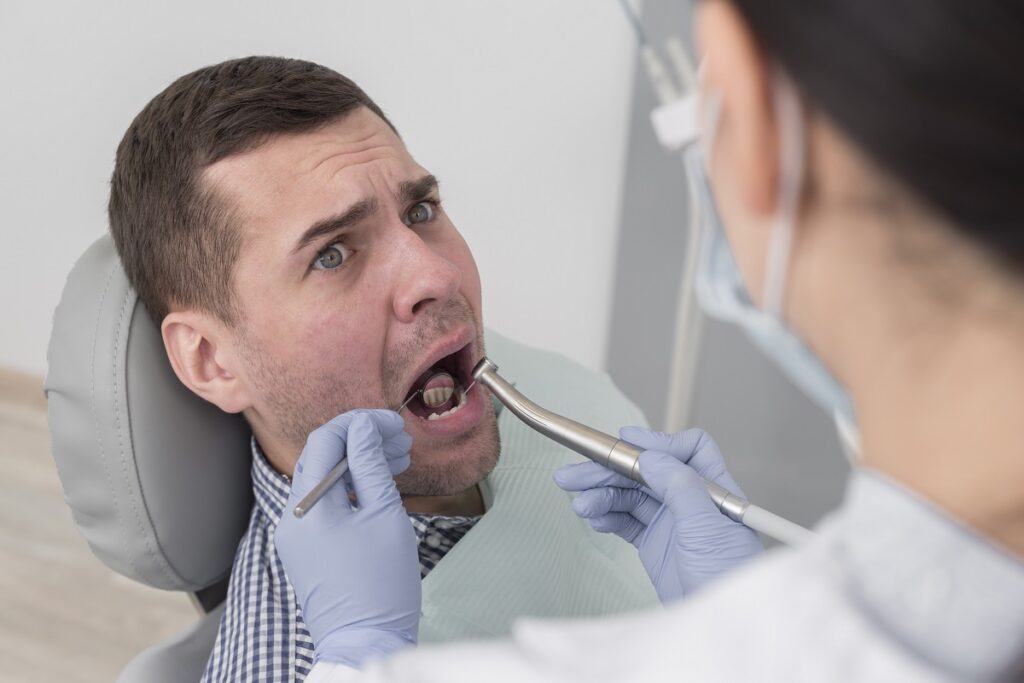
To determine your viability for dental crowns, Dr. Anna Vishart will first need to examine your teeth and take x-rays during a consultation with you. Prior to treatment, any oral health issues that are currently present must be attended to, such as fillings and deep cleanings.
Dr. Vishart will take high-definition 3D images of your teeth and use them to create a 3D model of your dental crown. Once everything is perfect, using a CEREC machine your crown will be molded to match the color, size, and shape of your natural tooth.
This technology allows us to cut a ceramic block into the precise shape of a dental crown that will fit perfectly. Dr. Vishart will then file down a small portion of your enamel to make room for the crown, check the fit and bond it to your tooth using dental cement.
What are Post and Core?
Post and core is a type of dental restoration that is sometimes used after a root canal. It is used to save an existing tooth that has lost a significant amount of internal structure and to secure a dental crown on top of a tooth, protecting it from infection and further damage.
Is it painful to get dental crowns?
Patients should expect some discomfort as with any medical or dental procedure. You will be given an anesthetic to prevent any pain during the crown placement procedure. However, once the anesthetic has worn off, you may experience some soreness in the tooth and gum area. This should only last 1-2 days and is easily treated with over-the-counter pain relievers.
Advantages of Dental Crowns
Crowns are used to improve the appearance of patient’s smiles as well as the functionality of their teeth. A dental crown, when properly placed will actually improve the patient’s dental health. The following are some of the advantages of dental crowns:
- Protect and restore the function of a tooth
- Repair cracked or damaged teeth.
- Protect a tooth after a root canal procedure
- Hold a severely cracked or broken tooth together
- Cover a dental implant
- Improve the appearance of a tooth by changing its shape or color
Disadvantages of Crowns
The few drawbacks associated with restoring teeth with crowns include:
- Crowns are more expensive than other options, such as composite bonding to rebuild a tooth.
- Enamel must usually be removed from the tooth being treated. This is a permanent change that cannot be undone. To protect the dentin in the future, the tooth will always require a restoration.
- Having a crown placed on a tooth can cause increased sensitivity. This usually subsides after a few days.
- Crowns are not as strong as natural teeth. They can eat most foods, but dentists advise against eating hard foods with them, such as ice.
Time to recover after getting crowns?
The recovery time after a dental crown operation is usually only a few days. While some sensitivity or discomfort is normal for patients during this time, the irritation and inflammation brought on by the procedure usually goes away fairly quickly.
Never the less it is crucial to maintain good oral hygiene in order to maintain your restoration’s condition as well as long-term oral health. It’s recommended that you floss daily and use a soft-bristled toothbrush twice a day to brush your teeth. We also recommend regular checkups so that any problems can be found and fixed as soon as possible.
Be mindful of your diet and abstain from foods that are too hard, sticky, or chewy; these could damage the crown and even lead to the need for a replacement.
It’s crucial that you talk to your dentist if you frequently clench your jaw or grind your teeth. These behaviors should be changed in order to avoid serious damage to your teeth and restorations such as crowns or bridges.
How much do dental crowns cost?
The cost of a crown procedure varies depending on the kind of crown you need, such as porcelain, metal or all-ceramic. The treatment can range from a few hundred dollars to over a thousand dollars depending on your insurance coverage.
What can Dr Anna Vishart do for you?
Everyone wants the perfect smile, and a dental crown can help you achieve it. Dr. Vishart offers same-day dental crowns at Digital Dental Studio. They are a fast, durable restoration treatment that doesn’t require dental impressions just the use of 3D digital imaging technology.
This means that same-day dental crowns can be fabricated with CEREC technology and cemented in place within a single appointment for instant results. Do not hesitate to contact us if you have more questions. We are happy to help guide you to make the best decisions for your teeth and oral health.
Give us a call today to schedule your next appointment: 1-781-471-7934