
NightLase
February 17, 2023
All about Dental Crowns
March 28, 2023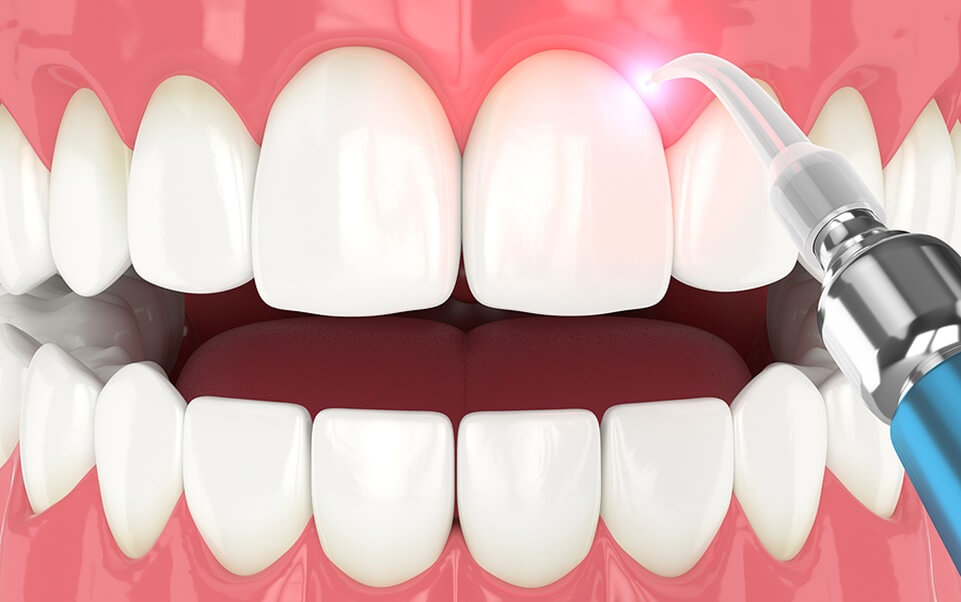
Periodontal laser therapy TWINLIGHT
What is periodontal therapy?
Maintaining a healthy smile, involves taking extra care of your gums. Remember, they are the structural support for healthy teeth. If not taken care properly, you may develop gingivitis and even periodontitis, which can eventually lead to tooth decay and loss.
So, in order to avoid gum disease, you can be treated successfully with our Periodontal Therapy. At Digital Dental Studio, you have a few different options to choose from, but today we are going to talk about Periodontal Laser Therapy.
What is periodontal laser therapy?
Say goodbye to the pain and bleeding caused by gum disease. With our new cutting-edge technology Fotona Twinlight, our dental professionals at Digital Dental Studio can perform a minimally invasive periodontal procedure to treat your gum disease with little to no downtime.
The ultra-thin laser can function in a similar way to surgical methods as it removes infected gum tissue and any plaque buildup on the roots. This laser procedure in fact offers something traditional gum treatment doesn’t: it can regenerate gums and bone tissue. It has been shown to stimulate periodontal pocket tissue to begin regeneration, strengthening the periodontal ligament which holds teeth in place.
Who is a candidate for periodontal laser therapy?
Laser therapy is a great option for those with gingivitis and/or more advanced periodontal disease. It is a great treatment option for those who have complicating factors such as diabetes, pregnancies, and such, that might not be suitable for surgical alternatives.
How to diagnose periodontitis?
There are many common types of periodontal disease including aggressive, chronic, necrotizing periodontitis, and periodontitis associated with systemic diseases. Each of these types of periodontal disease has its own distinct characteristics and symptoms, and all require prompt treatment by a dentist to halt subsequent bone and tissue loss.
Described below are some of the most common signs and symptoms of periodontitis.
- Bleeding gums – Bleeding while brushing, flossing or eating food is one of the most common symptoms of a periodontal infection. It is not normal and you should mention this to your dentist in every single check-up.
- Tender or swollen gums – It’s really important to check your gums for swelling or pain, this can mean that infection is spreading and may damage the bone.
- Longer-looking teeth – Periodontal disease can lead to gum recession.
- Bad breath/halitosis – bad breath can also be caused by old food particles that sit between the teeth and underneath the gumline.
- The deeper gum pockets are able to house more debris and bacteria, causing a foul odor.
- Loose teeth – Teeth that move easily could be a sign of a serious oral health problems. If it’s not treated, it could lead to tooth loss.
- Pus buildup around the tooth – when there is pus present, the disease has advanced and has affected the gum and the bone alike.
Steps of a periodontal laser therapy
After your initial evaluation, your treatment will be customized to your needs. We will discuss with you the exact timing of your treatment, how many sessions you will need to get the best results, and what post-care will be most important following your treatment.
We will conduct a pre-op examination to determine if you are ready for the procedure and explain to you what to expect. We will also take a look at your medical records, ascertain the state of your dental and oral health, and check for any lesions or infections that could affect the healing process.
During your procedure, once this bacteria in the gums is gently lasered with our Fotona Twinlight laser technology, we can help reduce the progression of the disease and prevent the further risk of the loss of teeth and bone.
Once the pocket is cleaned of damaged tissue and bacteria, the laser is set aside. Then we are going to use an ultrasonic cleaning tool that’s works with sound waves. The tool breaks apart and removes tartar and calcifications.
The laser is reintroduced into the pocket to deep clean the bottom, eliminate telltale debris and to sterilize tissue and bone. The laser also stimulates formation of a blood clot. Those blood clots protect the bone and speeds healing. They also help gum tissue reattach to the tooth. That’s why you won´t need any stitches.
If you’re having your entire mouth done, you may need two visits that last 1 to 2 hours each. A single quadrant can be finished in 1 to 2 hours.
Medications
Since this cutting-edge technology is able to kill bacteria without cutting into any gum or bone tissue, for the first 24 hour period immediately following surgery, we will recommend taking two (2) Advil or Motrin (Ibuprofen) every 4-6 hours even if you do not have any pain.
Does the treatment hurt?
Laser gum treatment is a minimally invasive technique that is consequently more relaxing for our patients. You may only feel a mild pressure as the result of the warm sensation from the laser.
Our team also provides various levels of sedation dentistry to ensure patients are comfortable during their treatment, as well as local anesthetics to numb the mouth and perform painless treatment of the pockets.
Benefits of the laser periodontal therapy
With laser periodontal therapy, the list of benefits are endless: the treatment is faster, easier to recover from and does not require stitches.
More importantly it can:
- Reduced pain
- Less swelling or bleeding
- No loss of gum tissue volume
- Decreased root sensitivity
- Promotion of bone and connective tissue formation
- With our laser treatment, you may even see the reversal of your periodontal disease symptoms, including gum recession.
Periodontal laser therapy, eliminates post-operative complications such as bleeding and post-operative swelling. This will make the recovery time shorter and more uneventful.
After-care tips
For the first 24 hours following your periodontal laser therapy we recommend staying on a liquid diet only. For the following 3-7 days after treatment, a soft diet is recommended. Hard and crunchy foods are to be avoided as they can affect tissue healing. Avoiding smoking, alcohol, and citrus foods are also advised to help the surgical area heal quicker.
After your laser therapy, although you may not experience pain or just a mild discomfort, pay attention to your gums. You will need to take special care of the clots that will form after surgery. They are important to the healing of the gums. So avoid brushing your teeth or gums to harshly.
If you have any questions or would like to schedule an appointment, please don’t hesitate to call us!